
The Bitcoin price has fallen to its lowest level since September 2024—a more than two-year low. The decline in the world’s largest cryptocurrency was driven by a general wave of sell-offs in risky assets, concerns about overvalued artificial intelligence companies, and macroeconomic uncertainty.
According to Reuters, on Friday, November 20, Bitcoin fell below the $60,000 mark for the first time since July, recording a 3.57% decline to $56,813.68. Later that night, leading into Saturday, November 21, the price fell even further—to $55,830 (a 5.10% loss)—and dipped below the $56,000 level before partially rebounding.
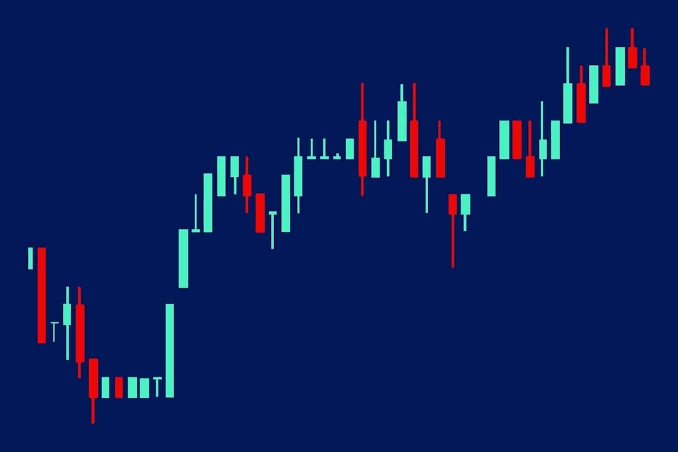
Analysts and market participants attribute the collapse of digital assets to a broader reassessment of risks in global markets:
- Concerns surrounding AI and technology: Investors are nervous about the inflated valuations of AI-related companies and are skeptical about the return on massive investments in AI infrastructure. Amid a flight from risk, major U.S. stock indices were heading for their biggest weekly drop since April 2025 (when the “Liberation Day” tariffs were announced).
- Cost of borrowing and yield competition: Rising borrowing costs make speculative assets less attractive compared to instruments with guaranteed returns.
- Political and regulatory factors: The market is pricing in regulatory uncertainty following the Democrats’ victory in the U.S. midterm elections.
- Internal factors in the crypto industry: Market sentiment remained tense following the October Binance hack, and selling pressure was accompanied by liquidations of leveraged positions and an outflow of institutional capital.
Reaction of related crypto assets
The sell-off also affected other major cryptocurrencies. During the overnight drop on November 21, Ethereum fell to $1,540 before rebounding to around $1,619, while BNB, XRP, and Solana also experienced significant declines amid a general outflow of funds from risky assets.