With the onset of cold weather, residents of the region are making more frequent use of wood-burning stoves, fireplaces, and gas boilers. However, faulty heating equipment, clogged chimneys, or poor ventilation can lead to fatal carbon monoxide ($CO$) poisoning, which is colorless, odorless, and tasteless. The Transcarpathian Regional Emergency Medical Care Center (“103 Transcarpathia”) has issued a reminder about the main warning signs and safety guidelines.
Alarming symptoms that should not be ignored
Medical professionals warn that the initial symptoms of carbon monoxide poisoning can easily be mistaken for ordinary fatigue or a cold, but delaying treatment can be life-threatening. Look out for the following signs:
- headaches and severe dizziness;
- nausea, vomiting, and sudden weakness;
- drowsiness, lethargy, and confusion;
- impaired coordination and difficulty breathing;
- In severe cases—loss of consciousness, seizures, and cardiac arrest.
Steps to Take If Poisoning Is Suspected
A particularly alarming sign is when similar symptoms appear simultaneously in several people or pets in the same room. In such a case, immediate action is necessary:
- Get some fresh air as soon as possible and help others leave the smoke-filled room;
- If possible, shut off the gas supply and open windows and doors to ventilate the area;
- Call the emergency numbers “103” or “112” immediately.
You may return home only after the premises have been inspected by emergency gas service specialists and rescue workers.
How to Prevent Tragedies During the Heating Season
To protect yourself and your loved ones from carbon monoxide poisoning, experts advise following these simple but vital rules:
- Regularly check that heating appliances are in good working order, as well as the draft and the condition of the chimneys;
- Under no circumstances should you block or cover the ventilation ducts;
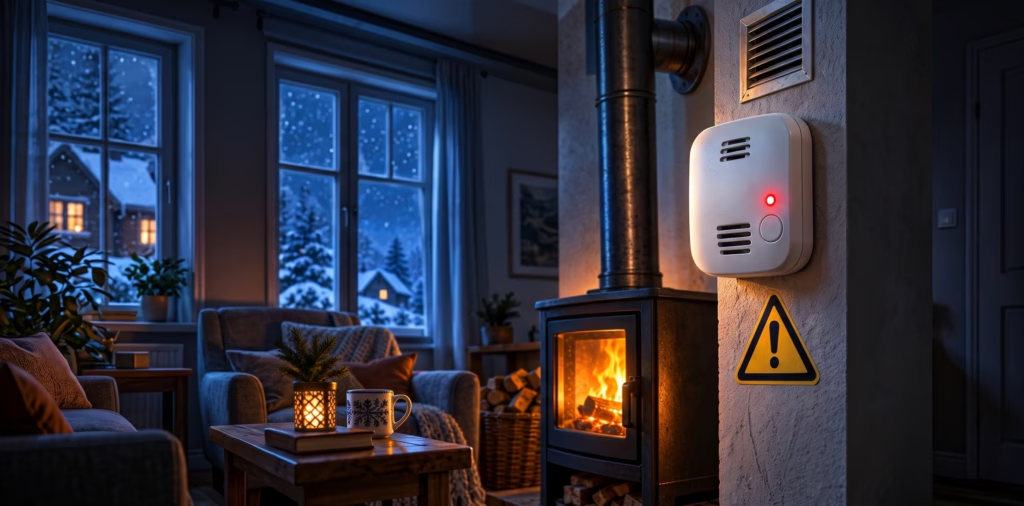
- Install a certified carbon monoxide detector in your home;
- Never use gas stoves, ovens, or grills to heat your home, and do not run generators indoors or on balconies.
Source: Transcarpathian Regional Emergency Medical Care Center (“103 Transcarpathia”)