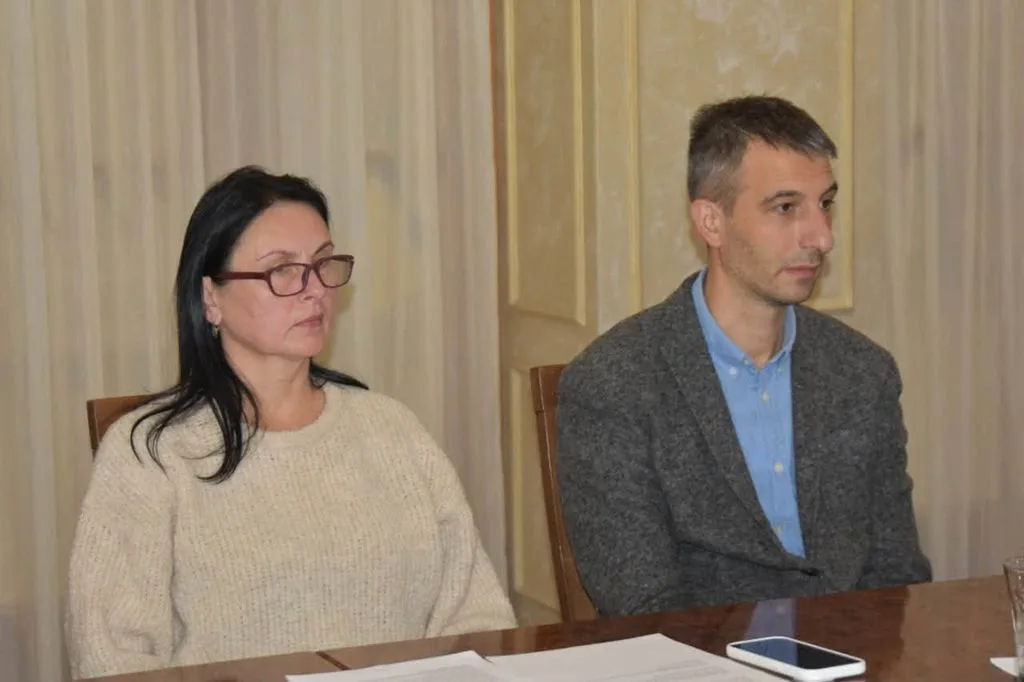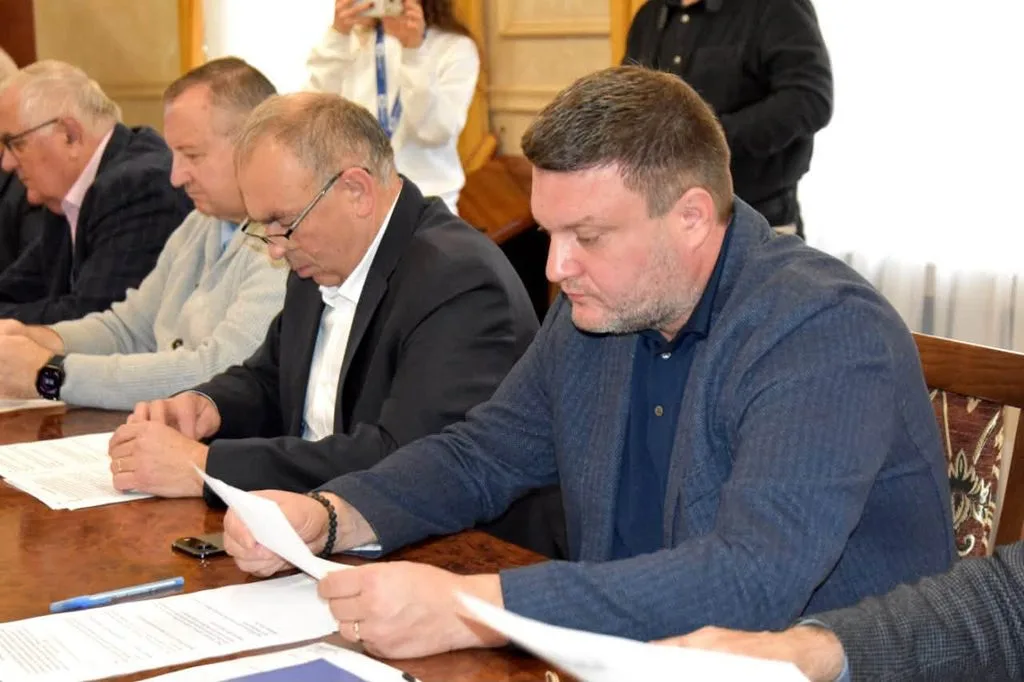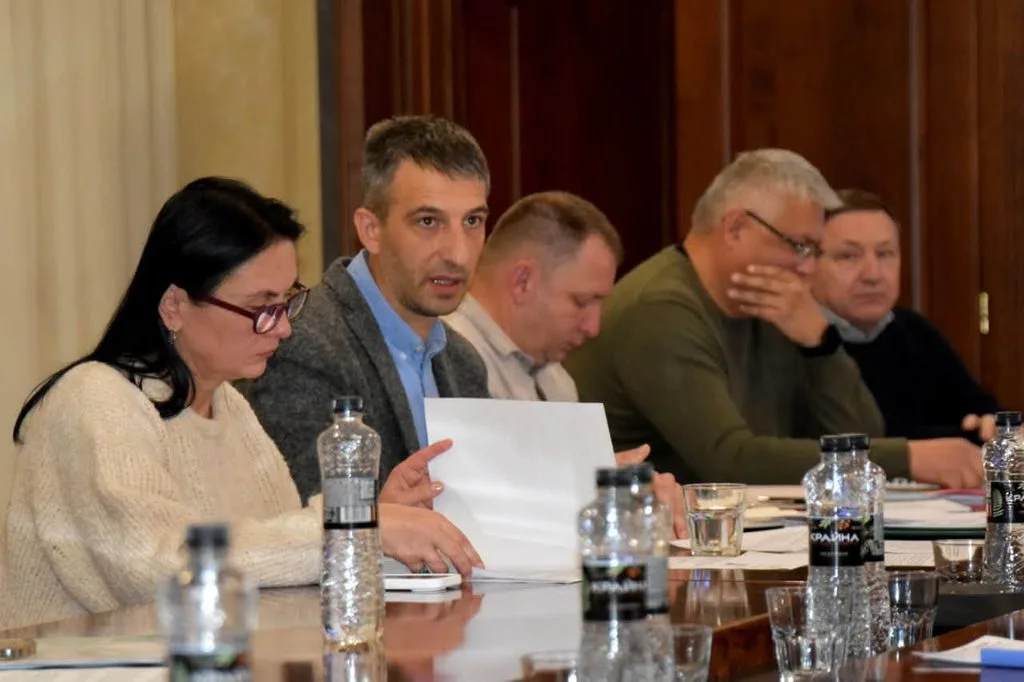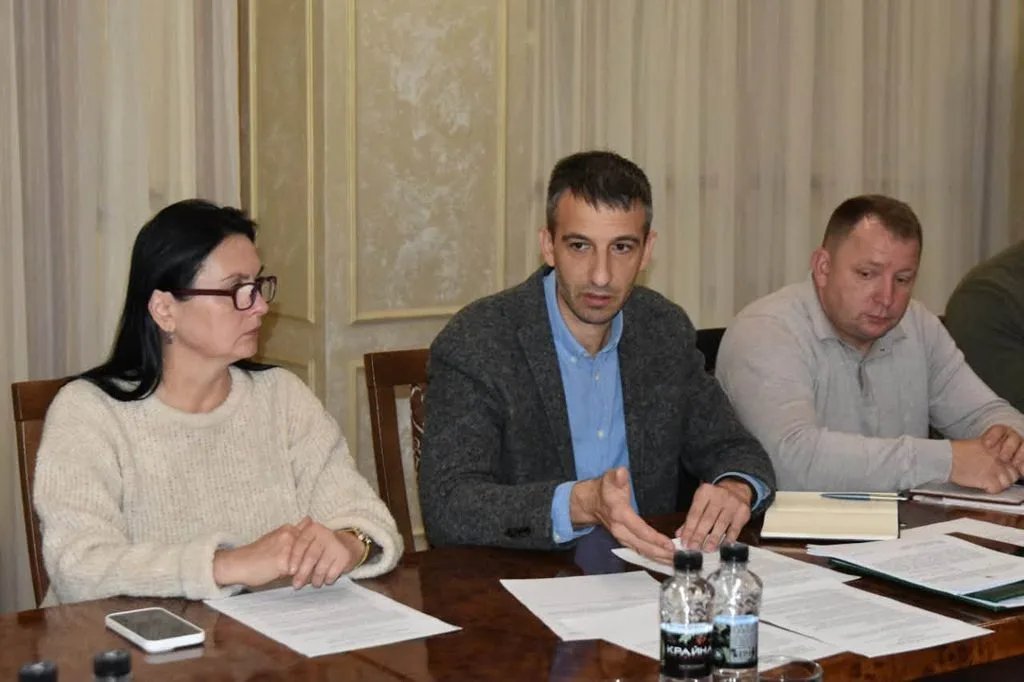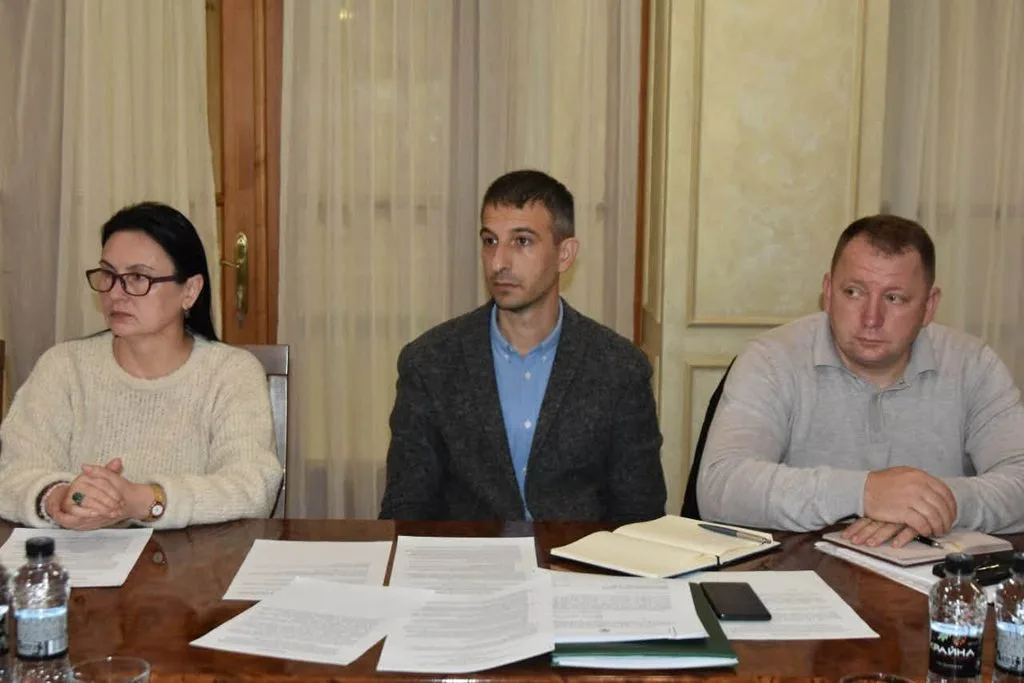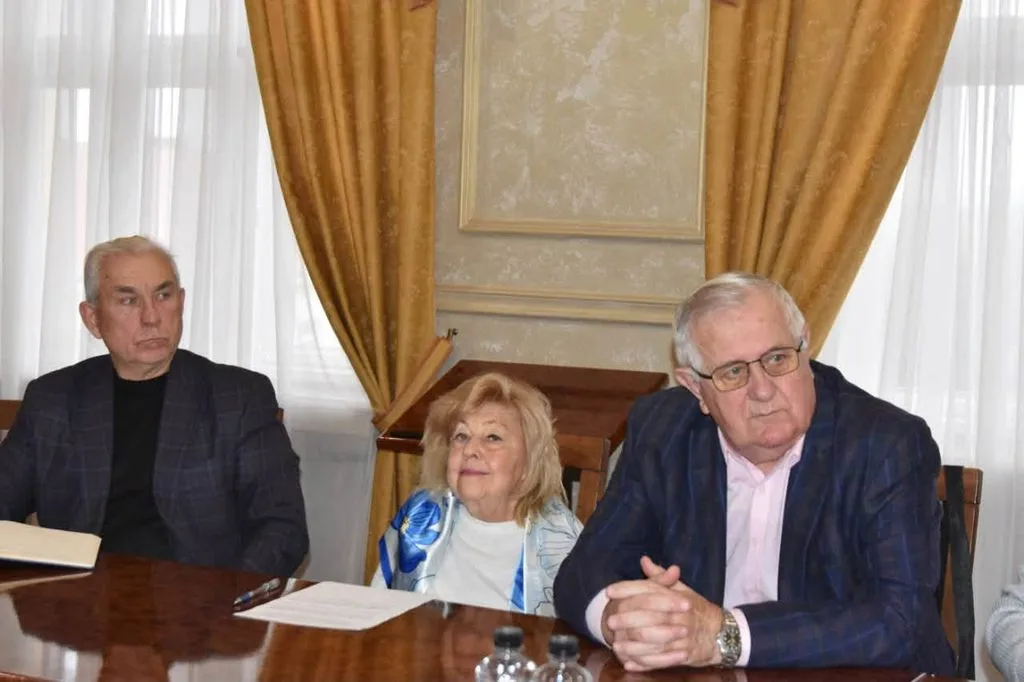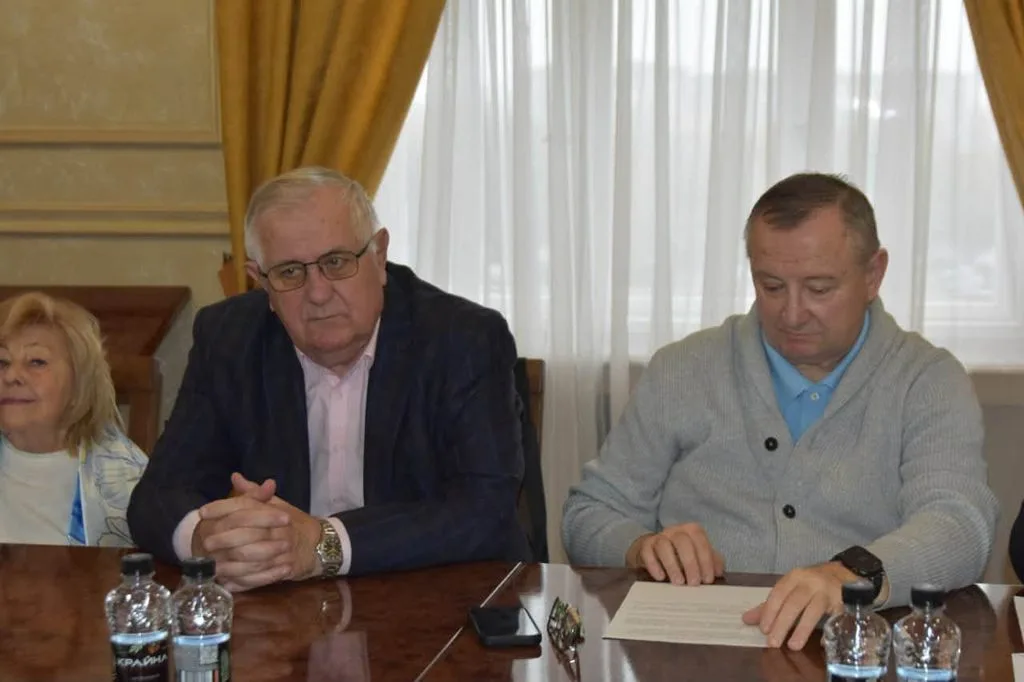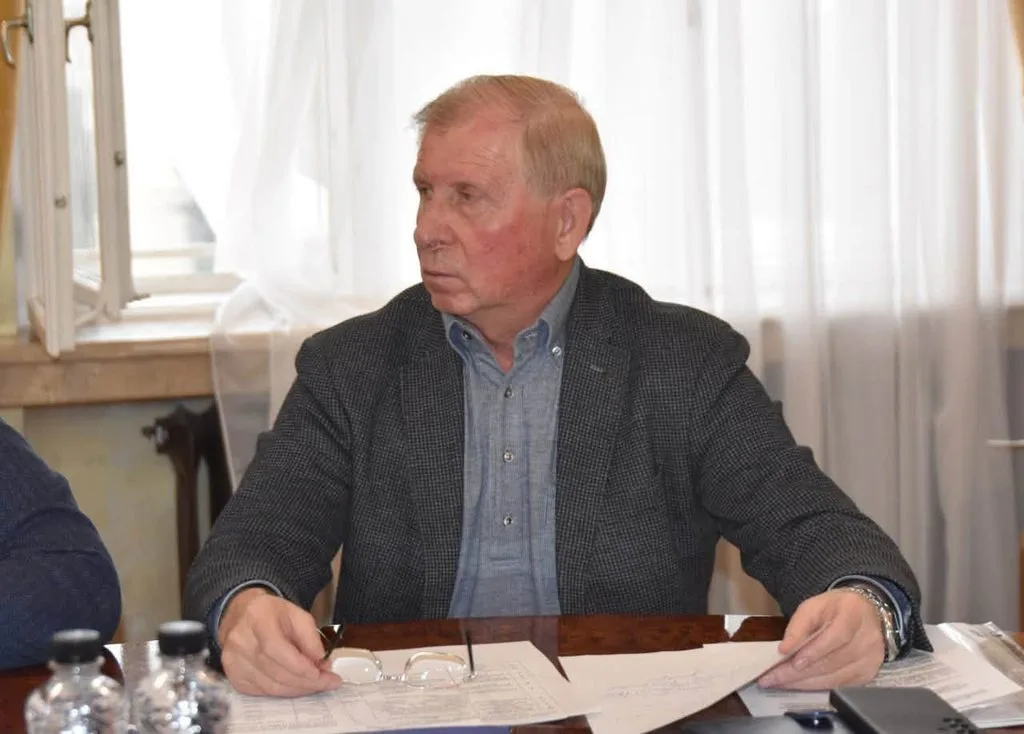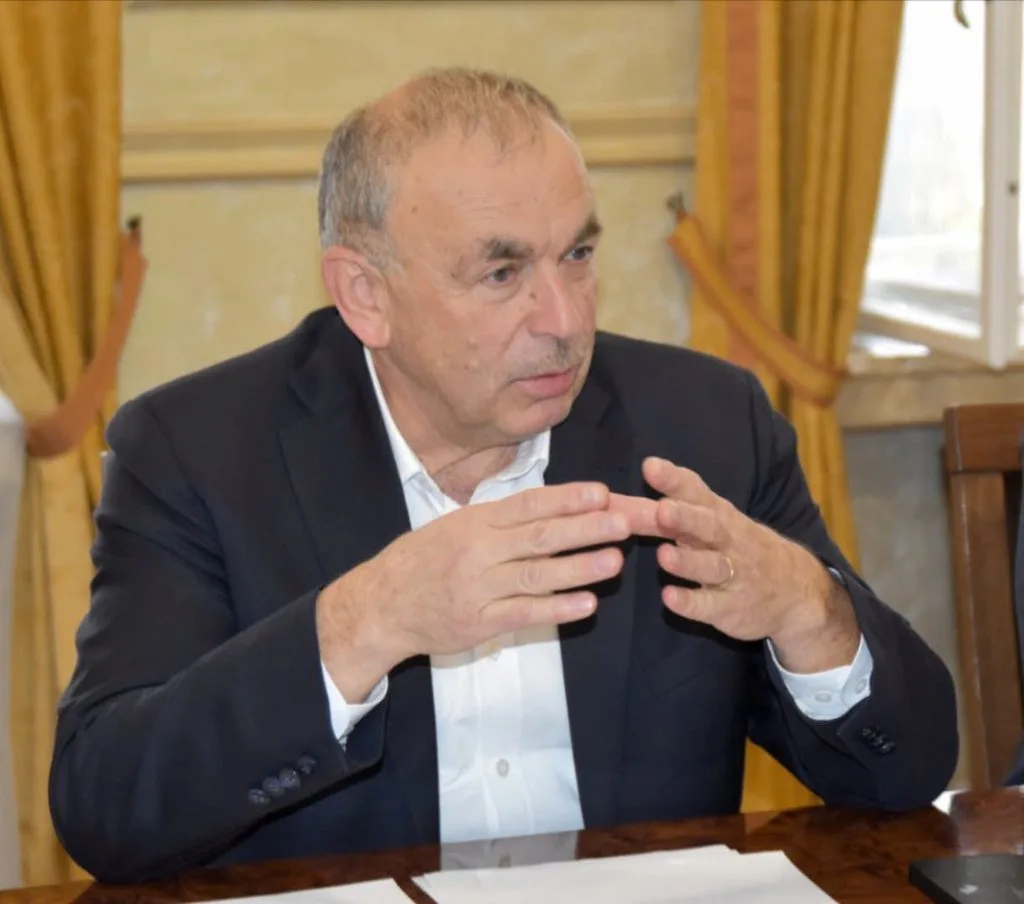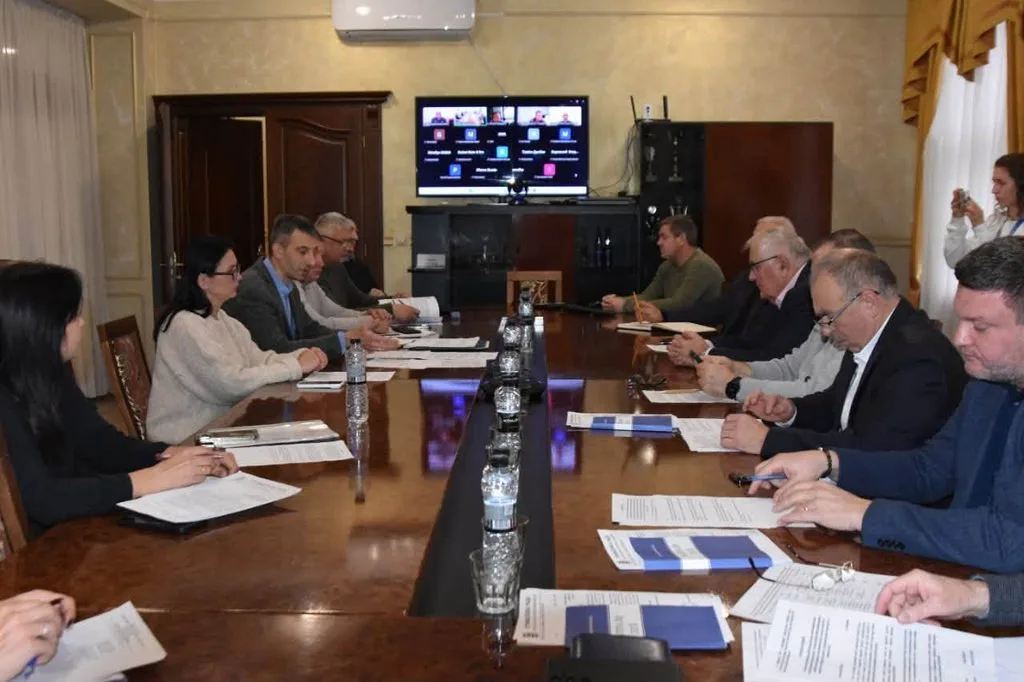
Prolonged water shortages, the shallowing of rivers, and falling water levels in wells are challenges that Transcarpathia is facing with increasing urgency. Ways to conserve the region’s water resources were discussed during a joint meeting of the Presidium of the Public Council under the Transcarpathian Regional State Administration—Regional Executive Authority, attended by the leadership of the regional council, members of the relevant standing committee, scientists, and relevant agencies.
The meeting participants analyzed the status of implementation of the September recommendations from the regional council’s standing committee on ecology and natural resource use, the agro-industrial complex, and rural development, and developed a joint action plan for local communities and authorities.
Extreme low water levels, the likes of which haven’t been seen in decades
Vasyl Manivchuk, head of the Transcarpathian Regional Center for Hydrometeorology, emphasized the critical nature of the hydrological situation in the region. According to him, this year’s weather conditions have been extreme—a phenomenon not observed in the region for several decades. The continuous water shortage lasted virtually from the beginning of summer through October, indicating an urgent need to develop and modernize the region’s hydrometeorological monitoring system for water resources.
Vasyl Demyanchuk, Deputy Chairman of the Transcarpathian Regional Council, opened the meeting by drawing attention to the recurring nature of droughts in recent years and cited the significant shallowing of the Uzh River this summer as a clear example.
“This meeting served as a launching pad for uniting the efforts of scientists, educators, lawmakers, the public, and heads of local communities. Only together can we draft professional appeals to central authorities and take systematic action at the local level to conserve water in the region,” emphasized Vasyl Demyanchuk.
Rain gardens, a ban on logging along riverbeds, and community budgets
Director of the Department of Ecology and Natural Resources of the Transcarpathian Regional State Administration – Yuriy Shpontak, briefed attendees on the regulatory framework for water resource protection and noted that low water levels continue to be recorded, persisting through the fall and winter months.
According to the official, in agriculture, forestry, and within populated areas, it is necessary to implement nature-based solutions capable of producing tangible results within just 2–3 years and replenishing the groundwater, from which local residents draw drinking water from wells. Among the priority measures, Yuriy Shpontak highlighted:
- the creation of rain gardens in cities and villages to capture and store rainfall;
- the restoration of old forest skid roads and a strict ban on skidding timber along watercourses;
- improving the Drought Management Plan for the Tisa River basin;
- allocating funds in local community budgets for 2027 to monitor droughts and install automated observation stations;
- securing international technical assistance and strengthening environmental education for the public.
A Scientific Approach: How to Retain Water in Communities
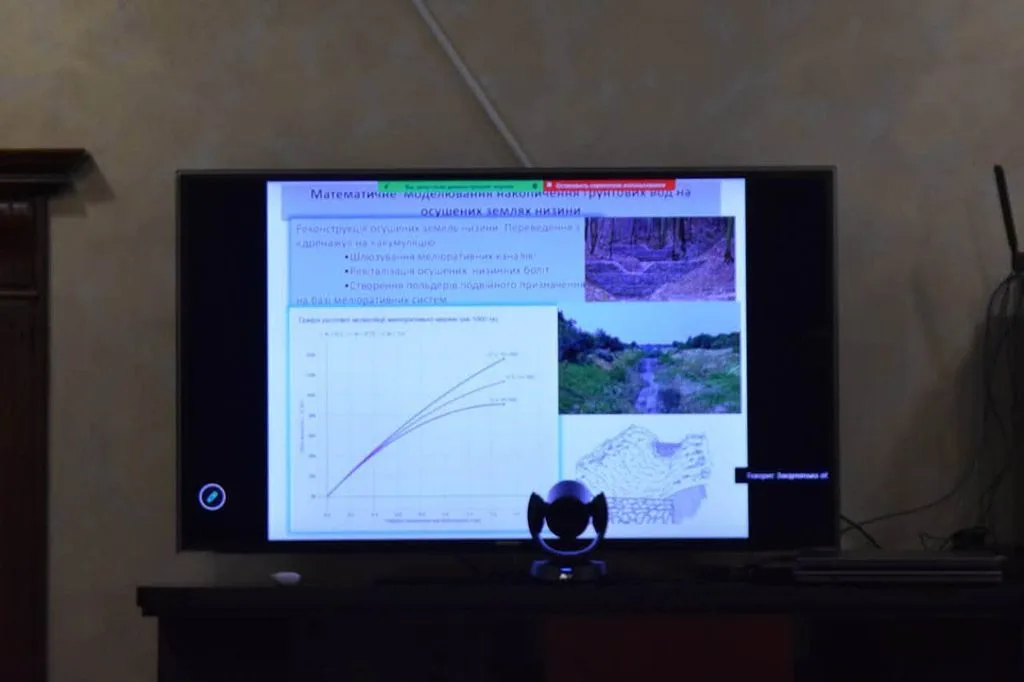
Vladislav Peresolyak presented practical scientific tools for solving the problem — Ph.D. in Public Administration, Associate Professor, and Chair of the Department of Geodesy, Land Management, and Geoinformatics at the Faculty of Geography of Uzhhorod National University.
He presented mathematical models for implementing nature-based solutions (NBS) aimed at conserving groundwater in the micro-watersheds of Transcarpathia and reducing surface runoff. In particular, using the example of a stream in the village of Orikhovytsia, researchers from UzhNU demonstrated how the construction of semi-filtration ponds with minimal capital investment allows for the effective retention of moisture in the landscape and the restoration of the groundwater balance. The researchers propose developing such model schemes individually for each local community in the region.
Georgiy Horvat, a deputy of the Transcarpathian Regional Council and chair of the relevant standing committee on ecology and natural resource use, emphasized the importance of a swift transition from discussions to the practical implementation of these findings:
“Thanks to the research conducted by scientists at Uzhhorod National University, the region now has real, practical tools for water conservation. The council members, together with the public, are already preparing a series of appeals to identify the most effective and fastest mechanisms for implementing these measures with the support of the regional administration and the regional council,” noted Heorhiy Horvat.
Following the meeting, the participants formulated a comprehensive package of recommendations and proposals. These will be taken into account during the preparation of regional programs, specialized guidelines, and appeals to central executive authorities.