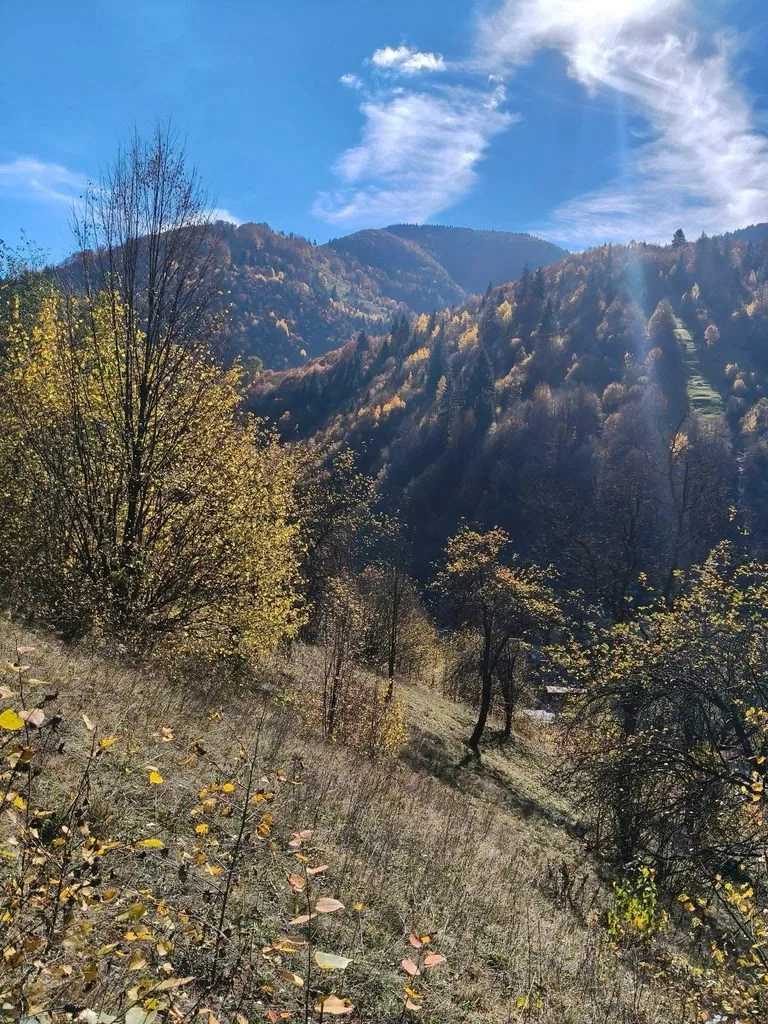
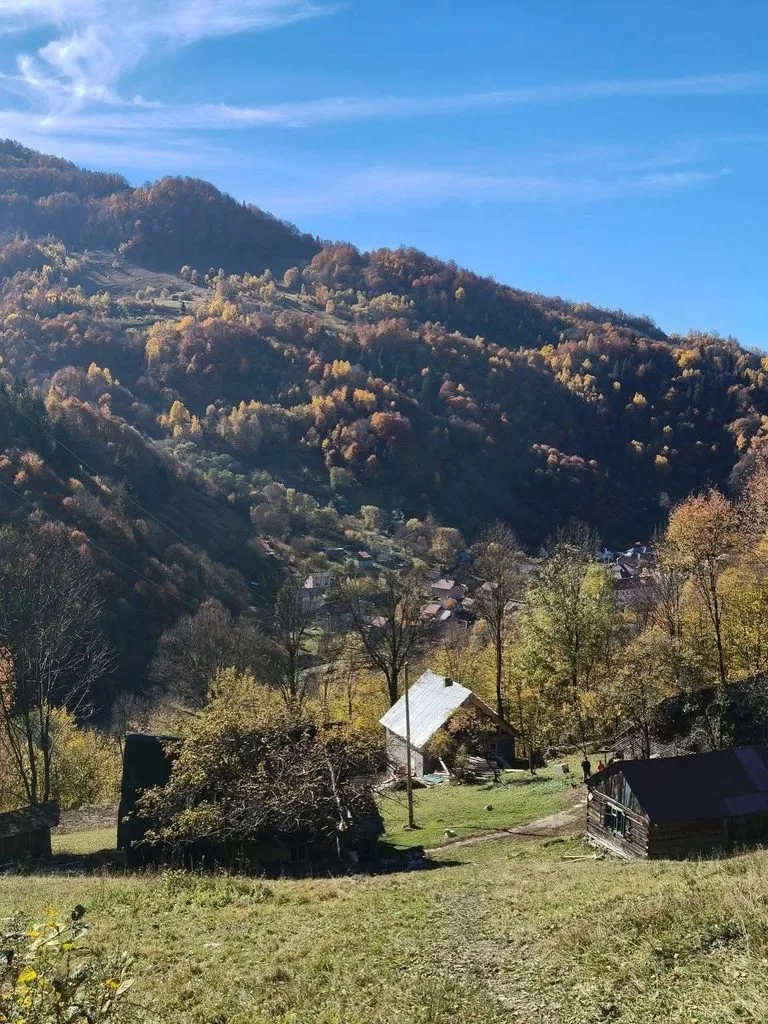
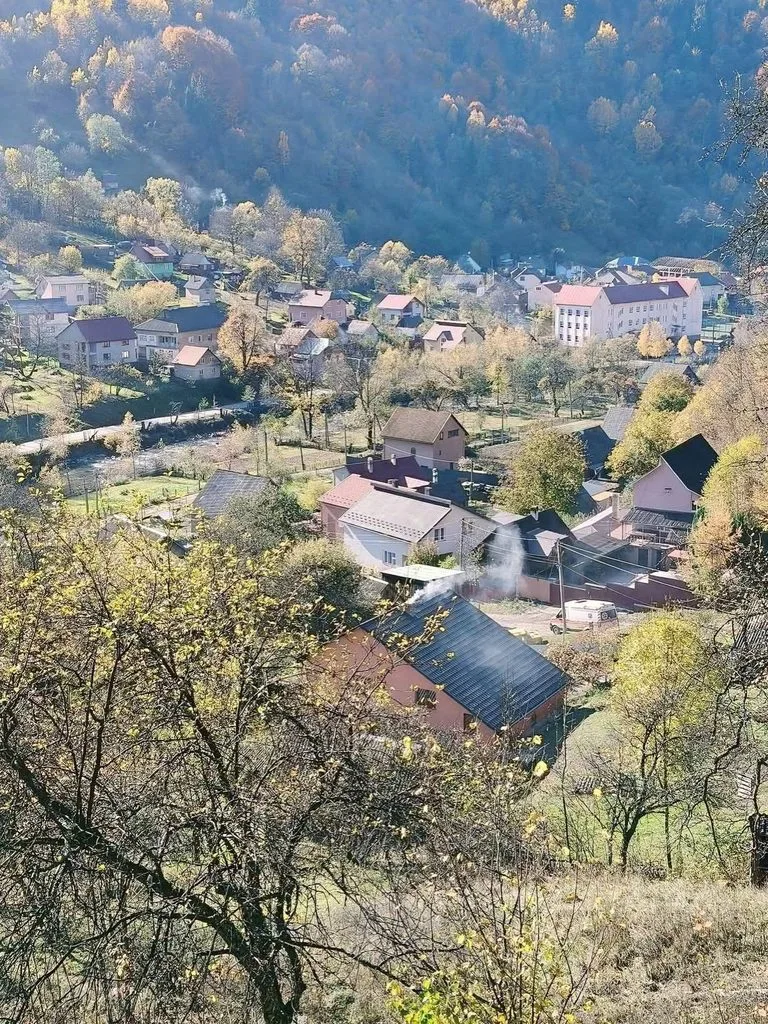
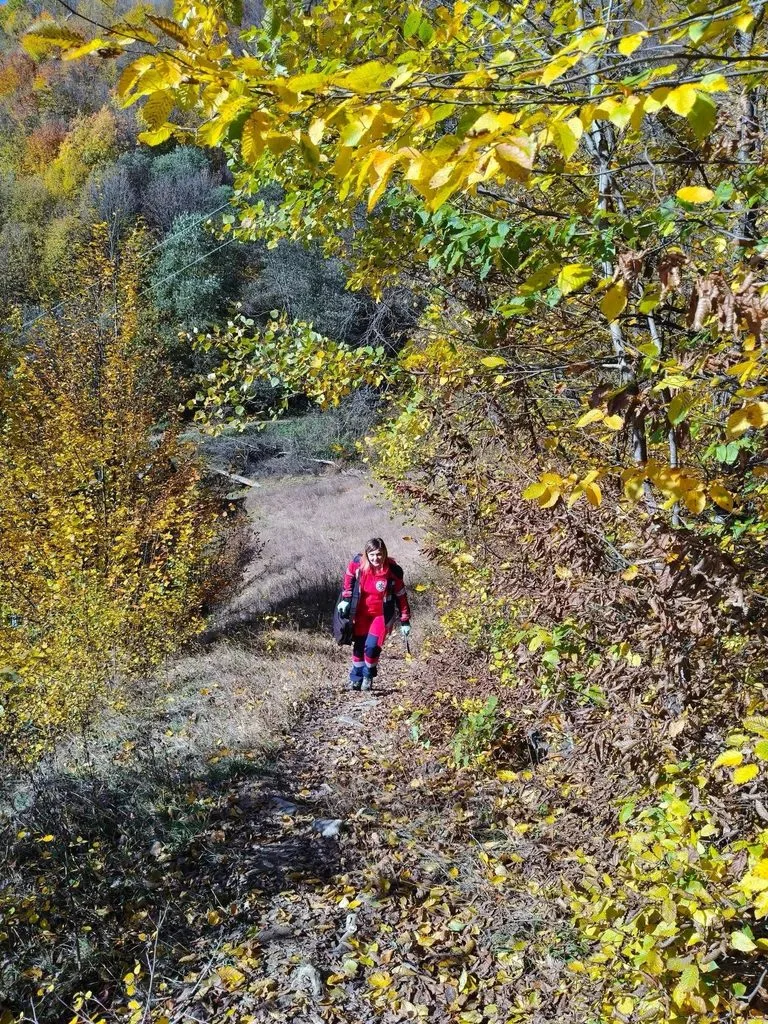
The emergency vehicle stopped where the road ended. The paramedics grabbed their resuscitation kits and hiked up the steep forest trails to save the mountaineer’s life in time.
The work of emergency medical teams in the high-mountain regions of Zakarpattia requires not only medical expertise but also mountaineering training and considerable physical endurance on a daily basis. Medical workers in the Rakhiv district demonstrated yet another example of self-sacrifice, as the rugged mountain terrain did not stand in the way of their mission to save a life.
A dispatch call about a patient came from a hard-to-reach corner of the district, located high on a mountain slope.
Hiking with equipment
The on-call crew No. 1200 from the Rakhiv Emergency Medical Service (EMS) station immediately set out to assist the patient. However, it proved impossible to get right up to the patient’s home in an ambulance: the “103” emergency vehicle was blocked by impassable steep inclines, rocks, and narrow trails.
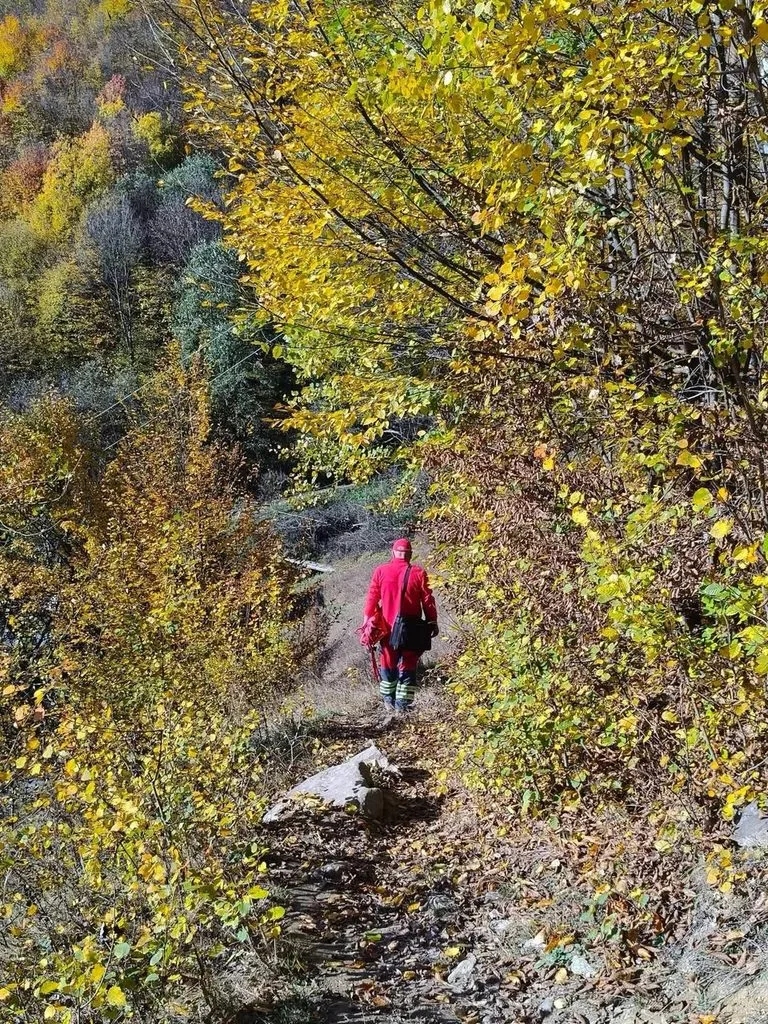
To avoid wasting precious time, the medical staff decided to proceed on foot. Carrying the necessary portable diagnostic equipment, oxygen tanks, and suitcases of medications, the team walked about 3 kilometers uphill through mountainous terrain.
After overcoming the difficult and exhausting climb, the doctors reached the home, examined the patient, stabilized his condition, and promptly provided all necessary medical care.
The Daily Feat of Mountain Emergency Medicine
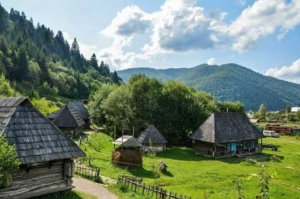
The unique geography of the high-altitude regions of the Carpathians leaves many remote villages cut off from convenient road access, especially during the off-season or during periods of rain or snowfall. In such cases, patients’ lives depend entirely on the courage, dedication to duty, and willingness of Transcarpathian paramedics and drivers to cover kilometers on foot at any time of day and in any weather.